
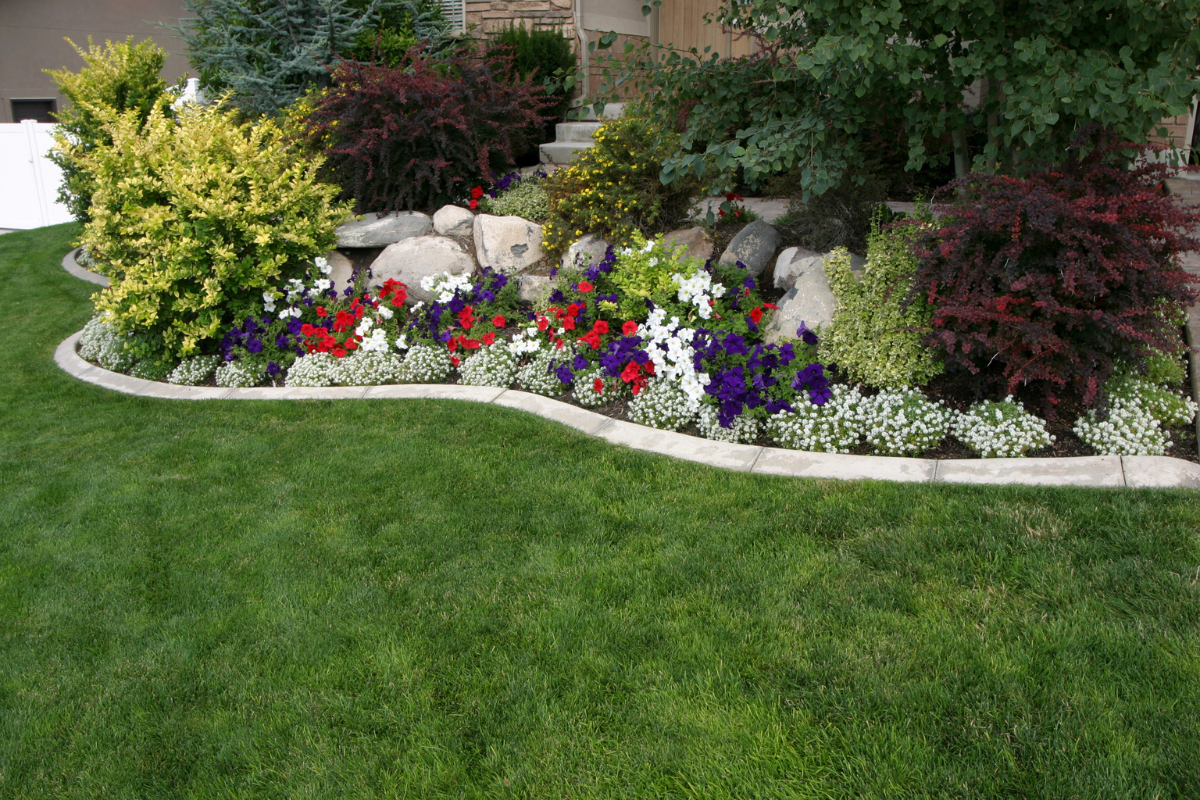
A well-kept landscape does more than look nice. It guides how people move through a property, communicates care and professionalism, and protects the investment you have already made in soil, plants, and hardscape. I have walked properties where a few months of skipped service turned an inviting entry into a thicket, and I have seen modest yards feel twice as valuable after a routine tune-up and some steady, seasonal attention. Regular landscape maintenance services provide that steady hand. They knit together horticultural know-how, scheduling discipline, and the right tools so your landscape matures as intended rather than fighting you at every turn.
Why maintenance matters long after installation
Landscape design services lay the blueprint for how a property should function and feel. But design is only the first act. Plants grow, soils shift, wind and sun push against edges and fences, irrigation heads clog, and pests arrive right on cue. Without consistent care, a clever plan unravels. The lawn gets thin from compaction and nutrient depletion. Shrubs stretch toward light and shade out perennials that once flowered beautifully. Mulch breaks down and weeds seize the daylight.
The return on regular service shows up in quiet ways. The lawn bounces back after a party because it was aerated in spring and fed correctly. Roses flower for months because faded blooms were removed at the right height and pests were monitored early. That front path stays clean because a crew edged it with a sharp blade rather than string, which roughs up concrete and invites encroachment. These outcomes rarely happen by accident.
The compounding effect of small, consistent tasks
I like to think of landscaping the way a mechanic thinks about a reliable car: oil changes, tire rotations, inspections at scheduled intervals. None of those feel dramatic, yet skipping them makes breakdowns inevitable. Landscape maintenance services work the same way. Mowing height, irrigation run times, pruning cuts, and soil amendments all build on each other.
A few specifics show how the details compound:
- Lawn care hinges on mowing height and interval. For cool-season grasses, keeping blades at 3 to 3.5 inches and removing no more than a third at a time maintains a deep root system, which reduces irrigation demand by a noticeable margin. Drop the mower to 2 inches to “clean it up,” and you create stress, bare patches, and room for heat-loving weeds. A landscaping company that trains crews to watch height and blade sharpness will save you reseeding costs later. Mulch is more than decoration. Two to three inches of shredded bark or composted mulch suppresses weeds and buffers soil temperature. In summer, that layer can keep root zones 5 to 10 degrees cooler than bare soil, a difference your plants feel. Top up annually so you maintain coverage without smothering roots. Pruning timing decides whether a shrub flowers or sulks. Spring-flowering shrubs form buds on old wood. Cut them hard in winter and you remove the show. A good landscaping service maps bloom times and uses thinning cuts, not just hedge shears, to preserve natural form and next season’s buds.
These are modest tasks on the day they are performed, yet each decision nudges the landscape either toward health or toward the next problem.
Curb appeal as an asset, not a chore
On residential streets, you can often spot the property with steady service from half a block away. Edges are crisp where turf meets beds, sightlines are open, and plant masses read as intentional shapes. That impression translates into real numbers when selling or leasing. Studies regularly cite increases of 5 to 15 percent in perceived property value for maintained landscapes, and while every market differs, buyers tend to use condition as a shortcut for care throughout the home.
Commercial properties feel the stakes weekly. A retail center with clean beds and thriving planters invites pedestrians to linger. For offices or medical buildings, a tidy campus reassures visitors about order and reliability inside. I have seen property managers negotiate better lease renewals after a period of consistent garden landscaping improvements made common areas more inviting. Tenants notice when weeds encroach on signage or when irrigation overspray stains walkways. They also notice when those problems never happen.
Plant health, longevity, and the biology beneath your feet
What you see above ground is only half the story. Soil life drives plant health in ways that fads and quick fixes cannot. Regular maintenance includes simple biological support that is easy to neglect when you are only reacting to visible issues.
Aeration creates channels for oxygen and water, particularly in lawns subject to foot traffic. Over time, those holes become root pathways. In heavy clay, even a single annual pass can improve infiltration and reduce runoff within a season. Compost topdressing, applied thinly at a quarter to half an inch across turf or beds, feeds microbes that convert nutrients into plant-available forms. I have turned around tired lawns without high-nitrogen blitzes simply by pairing aeration with light compost and appropriate mowing.
Pruning is plant surgery, and it should be treated as such. Clean tools, correct angles, and respect for branch collars reduce disease entry points. Hedge shears have their place for formal hedges, but most shrubs respond better to selective thinning and heading cuts. A knowledgeable landscaping service will identify where structural cuts will help a canopy track wind loads and light levels, so you do not get a thicket that breaks under snow or a lopsided shape that leans toward the only sun exposure.
Pest and disease management works best when problems are spotted early. Regular visits make it possible to catch fungal leaf spots before they spread or to hand-remove early nests of chewing insects instead of relying on broad-spectrum sprays. Many landscape maintenance services now use integrated pest management, which emphasizes monitoring, cultural practices, and targeted treatments. You save money and reduce collateral damage to beneficial insects and pollinators.
Water, irrigation, and the cost of getting it wrong
More landscapes suffer from overwatering than drought. It shows up as yellowing leaves, mildew, fungus in turf, and shallow roots that collapse in heat. I have walked properties with standing water in shrub beds while turf just beyond the curb sits baked. The issue is not always a lack of water, but distribution and scheduling.
An irrigation check once a month during the growing season pays for itself. Crews look for clogged nozzles, tilted heads, broken lines, and mismatched precipitation rates. They also adjust runtimes. In loam soils, two or three shorter cycles back-to-back often infiltrate better than one long soak that runs off after five minutes. In clay, slow and spaced-out watering is essential. Smart controllers help, but only if zones are tuned and the plant palette is understood. A zone with succulents should not share a schedule with annual color beds.
Rain sensors and flow meters are small add-ons with outsized benefits. A rain sensor can prevent hundreds of gallons from being wasted during a stormy week. A flow meter alerts you to a break the same day it occurs. Both are simple for a landscaping company to install and maintain.
Safety, liability, and the hidden risks of neglect
Maintenance is also risk management. Branches that encroach on sidewalks create hazards, and roots that lift pavement become trip points. Dark corners where shrubs have overgrown lighting invite problems. A regular walk-through identifies these long before they turn into claims.
I manage properties with quarterly safety reviews built into the landscape maintenance schedule. Crews check sightlines at driveways, prune to maintain clearance heights over walkways, and keep camera views open. They alert us to wasp nests under benches and bees in irrigation boxes. It is not glamorous work, but it prevents the kind of surprises that blow up budgets.
Winter brings its own checklist in cold climates. Leaf removal reduces slip hazards and prevents thick mats that smother turf. Proper cutbacks prepare perennials for freeze-thaw cycles, lowering the chance of crown rot. For evergreens, selective thinning before wet snow helps prevent splaying and breakage. Again, the payoff is landscapes that wake up ready rather than in recovery mode.
Budget predictability and lifecycle cost savings
One of the best reasons to hire a consistent landscaping service is to move from crisis spending to planned investment. Emergency tree work after a limb fails costs several times more than a proactive structural prune. Replacing a dead hedge costs more than a soil test and a few targeted corrections. I have seen homeowners replace sections of turf every other year because of chronic fungal issues that a simple change in irrigation scheduling and mowing patterns would have prevented.
A well-structured contract sets clear expectations for frequency, scope, and quality. Weekly or biweekly visits during peak growth, monthly irrigation checks, quarterly fertilization where appropriate, and seasonal cleanups create a rhythm. You can budget confidently because large surprises become rare. Over a three to five-year period, that predictability shows up as lower total spend per square foot, fewer plant replacements, and better asset value.
Environmental stewardship woven into routine care
Landscaping choices add up across a neighborhood. When crews adjust irrigation to reduce runoff, nearby storm drains carry less fertilizer and soil. When they choose organic mulches and compost, they build carbon into the soil. When lawns are cut with sharp blades at correct height, engines run less and noise drops. None of this requires a banner or a new program, just steady practice.
Plant selection is another lever. If your landscape design services team collaborates with maintenance, you end up with plant palettes that fit your microclimate and water availability. That means fewer chemical interventions and less pruning. A Japanese maple in hot reflected light near a driveway will always struggle. Move it to a dappled spot, and it becomes easy. Use heat-tolerant grasses in the sunny west strip, and you will not fight to keep a conventional lawn alive there.
Pollinator support can be part of the routine. Bloom succession in perennials and shrubs keeps food available across seasons. Avoiding blanket insecticide sprays protects bees and predatory insects that keep pests in check. Even simple choices like leaving a small patch of leaves in out-of-sight corners through winter supports overwintering beneficials.
How a professional landscaping company structures maintenance
Behind the scenes, an effective landscaping company runs maintenance like a clock. The best crews have a route plan that accounts for seasonality and growth patterns. They bring the right tools for the week’s tasks rather than a one-size-fits-all approach. You will see different blade sets and mowing strategies for cool-season versus warm-season turf. You will see pruning schedules that vary between hydrangeas, lilacs, and crape myrtles rather than a single hedge-trimming pass that flattens everything.
Communication is a hallmark of good service. After a site visit, a short note that says, “Adjusted Zone 3 runtime, replaced two clogged nozzles near the walk, thinned canopy on west magnolia to improve sidewalk clearance, observed early aphids on roses and will monitor,” is worth its weight in gold. It tells you someone is thinking, not just completing a checklist.
Trained crews also know when not to act. I remember an HOA that wanted all ornamental grasses cut back in early fall for tidiness. The crew lead persuaded them to wait until late winter, which preserved winter structure for birds and protected crowns during cold snaps. The result was a healthier stand in spring and lower replacement costs.
Lawn care done right, without fuss or gimmicks
Lawn care attracts strong opinions, but some fundamentals hold up across climates:
- Feed the soil before you feed the grass. A soil test every year or two prevents blind fertilizing. Balanced programs often use lower nitrogen than you might expect, paired with iron or micronutrients as needed. Mow with purpose. Change patterns weekly to prevent tracks and compaction. Keep blades sharp. If clippings clump, reduce the mowing interval or raise the deck rather than bagging. Clippings return nutrients to the soil. Water early in the morning. Wind is calmer, evaporation is lower, and leaves dry faster, which reduces disease pressure. If you are using sprinklers in the evening, expect more fungal issues.
These choices, repeated over months, create turf that resists weeds because it is dense and healthy. They also reduce the appetite for heavy herbicides. A landscaping service that builds its lawn care around these principles will give you better results than one leaning on a calendar of products alone.
Garden landscaping that grows more beautiful with age
Perennial and shrub beds reward patience and timing. Deadheading at the right moment can extend bloom windows by weeks. Dividing perennials every few years prevents overcrowding and restores vigor. Soil that receives a thin layer of compost in https://marcodlto319.huicopper.com/outdoor-entertaining-landscaping-ideas-for-gatherings spring wakes up earlier and holds moisture more evenly through heat.
A detail many people miss is spacing. Those empty patches in a new bed tempt you to fill every gap. A crew that understands mature size will resist cramming and instead use annuals as temporary color until perennials fill in. The result avoids chronic mildew and airflow problems that occur when foliage rubs leaf-to-leaf all summer.
Staking and support matter more than most admit. Peonies, delphiniums, and taller daisies look their best when supported early by discreet hoops or grids. A professional crew sets these early in the season, then lets foliage grow through, so support disappears. Waiting until stems flop on a rainy June weekend turns an easy job into a salvage operation.
Aligning your goals with the right landscaping service
Before you sign a maintenance contract, walk your property with a prospective provider and talk through your intent. Do you want a polished, formal look or a softer, ecological style? Are there areas where you prefer low maintenance over manicured detail? A good fit shows up in the questions they ask. They should ask about irrigation coverage, dog traffic, kids’ play zones, sun exposure changes from maturing trees, and your tolerance for leaf litter in autumn.
Ask for a seasonal calendar. It does not need to be fancy, but there should be a plan for spring bed prep, first mow heights, pre-emergent timing if they use it, shrub pruning windows, summer adjustments, fall renovations, and winter care. Ask who monitors pests and who decides on any treatments. The landscaping company should describe thresholds and alternatives, not just a spray schedule.
Finally, clarity on scope avoids friction. Edging frequency, debris haul-away, leaf removal thresholds, and mulch depth expectations should be spelled out. For irrigation, clarify whether checks include repairs or only diagnostics. If they are handling annual color, confirm change-out months and plant selections so you avoid surprises.
What a year of regular maintenance looks like
A typical year for a mixed landscape might follow this rhythm, adjusted for climate:
Early spring, crews cut back perennials, remove winter debris, and check irrigation lines before activation. They set mower blades high for the first passes and topdress thin lawn areas with compost and seed where needed. Shrubs that bloom on new wood receive structural pruning now.
Late spring to early summer, bed edges are renewed, mulch is topped up, and perennials are pinched or staked as needed. Irrigation runtimes are increased in response to heat, with attention to distribution. First flush of roses is deadheaded to encourage repeat bloom. Weeds are kept small and weak through frequent, light attention rather than marathon sessions.
High summer, crews focus on irrigation tuning, mowing intervals that keep stress low, and spot-feeding needy plants. Pest monitoring intensifies, but interventions remain targeted. Annuals are pinched and fed to keep color rolling. Selective shrub thinning maintains airflow.
Early fall, lawns are aerated and overseeded where appropriate. Fertility shifts to root development. Perennials are divided and transplanted as needed. Some leaves are left in out-of-the-way beds to break down naturally, while walkways and lawns are kept clear.
Late fall into winter, perennials are cut back based on species, with some seed heads left for wildlife and winter interest. Evergreens are checked and tied if heavy snow is expected. Irrigation is winterized in cold regions. Tools are serviced, so crews start spring with sharp blades and tuned engines.
This cadence represents hundreds of small decisions that add up to a landscape that looks cared for in every season without feeling overworked.
When maintenance solves problems design alone could not
I once inherited a courtyard where a narrow lawn strip baked between two south-facing walls. Previous teams replaced the turf twice a year and pushed water through the zone daily. Instead of another re-sod, our crew shifted the plan. We converted half the strip to a gravel path with flagstone treads, screen-planted with drought-tolerant grasses and a few salvias. The remaining turf, now shaded part of the afternoon by grasses, needed half the water and finally held. That outcome required both design tweaks and a maintenance mindset. The property stopped hemorrhaging money in that trouble spot.
On another site, a hedge along a busy sidewalk kept yellowing despite fertilizer and more water. A soil test showed high pH from concrete leaching. We adjusted the soil with elemental sulfur and added compost, then altered irrigation to reduce spray onto the walk. Within two months, new growth emerged a deeper green. Without regular checks and willingness to adjust, that hedge would have been replaced again and again.
The quiet advantages of having one accountable partner
There is efficiency in using a single landscaping company for both maintenance and small enhancements. When the same eyes return weekly, they notice subtle shifts: a patch of turf that thins near a new shade pattern from a maturing tree, a plant that struggles because a downspout changed flow after a roof repair, a retaining wall joint that opens a fraction before winter. These observations allow small preventative actions, the kind that never make a dramatic before-and-after photo but keep the landscape stable and attractive.
It also streamlines communication. You do not need to explain the property to a new crew each season. Plant histories, irrigation quirks, and safety concerns live in their notes. In emergencies, you have a number to call and a team that already knows where shutoff valves are. The intangible benefit is trust, which is built on kept promises at the scale of inches and minutes.
Where to invest first if you are catching up
If your yard or campus has fallen behind, start with fundamentals. Focus on water management, pruning for structure, and soil health. Repair irrigation leaks and recalibrate zones. Thin overgrown shrubs rather than topping them. Aerate and amend soils before dumping more fertilizer. Edge beds cleanly, apply fresh mulch at proper depth, and reset mowing height. These steps alone shift a space from scruffy to intentional.
Then, address the worst mismatches in plant placement. Move the sun lovers out of deep shade and give the shade lovers relief. A day of transplanting can eliminate chronic maintenance headaches. Finally, add finishing touches with seasonal color or a small hardscape fix where traffic patterns demand it. Turn one corner at a time until the property feels coherent.
The payoff you can expect
Regular landscape maintenance services do not promise fireworks. They deliver steadiness: fewer surprises, lower total cost over time, healthier plants, safer walkways, and a property that quietly tells its story before anyone opens the door. The right landscaping service will tie lawn care, garden landscaping, irrigation tuning, and pruning into a cycle that suits your climate and your goals. Over months and years, that cycle compounds, and the landscape begins to carry itself. That is when maintenance feels less like a chore and more like stewardship, and when the investment you made in your outdoor spaces starts paying you back every time you step outside.
Landscape Improvements Inc
Address: 1880 N Orange Blossom Trl, Orlando, FL 32804
Phone: (407) 426-9798
Website: https://landscapeimprove.com/